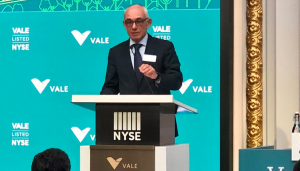
Vale’s iron ore output will rise only if prices increase -CEO
Fabio Schvartsman said the company would ramp up annual production to 450 million tonnes only when prices rise.
Fabio Schvartsman said the company would ramp up annual production to 450 million tonnes only when prices rise.
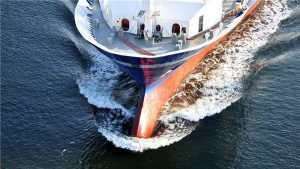
Vale announced an adjusted EBITDA of US$3.9 billion in Q2 with iron ore production of 96.8 tonnes and sales of 86.5 tonnes.
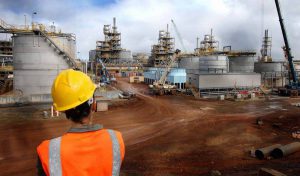
Vale’s Sudbury Operations will spend $42 million on exploration in the Greater Sudbury Area, doubling the company's exploration spend from a year ago.
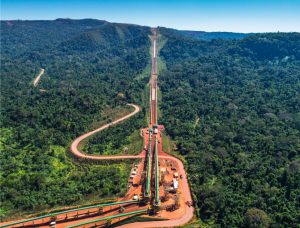
Iron ore output hit 96.755-million tonnes in the three months to June 30, while pellet output reached 12.838-million tonnes, despite a nationwide truck drivers strike that paralyzed the country in May.
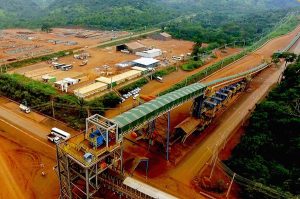
The sale of Vale stakes has been a subject of market speculation since the world's largest iron ore miner moved to a single class of stock in October. Mitsui currently holds a 5.51 percent stake in Vale.
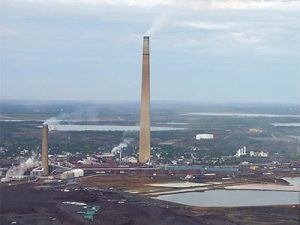
Mine closure is one of the biggest prices the environment pays in the mining enterprise, so coming up with a canopy system to restore the mining-impacted land to its natural condition is of invaluable importance, making Terratec’s innovation a considerable contribution to the field.
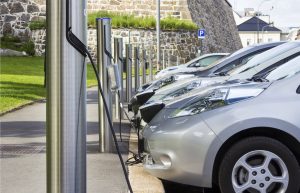
Vale agreement sets something of a price benchmark for long-term cobalt deals by showing what financial investors are willing to pay.
"We see numerous similarities between cobalt and silver."
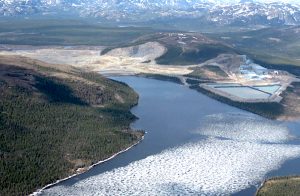
Transiting Voisey's Bay nickel mine from open-pit operations to underground will cost about $2 billion, and is expected to extend its productive life to 2035.
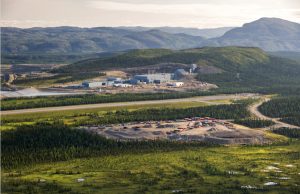
Government and company officials told CBC News that a "significant" mining announcement would take place on Monday.

The new Mining Power Rankings are live. Vote for the sector’s leaders in each of the Large-, Small-, and Micro-Cap leagues.