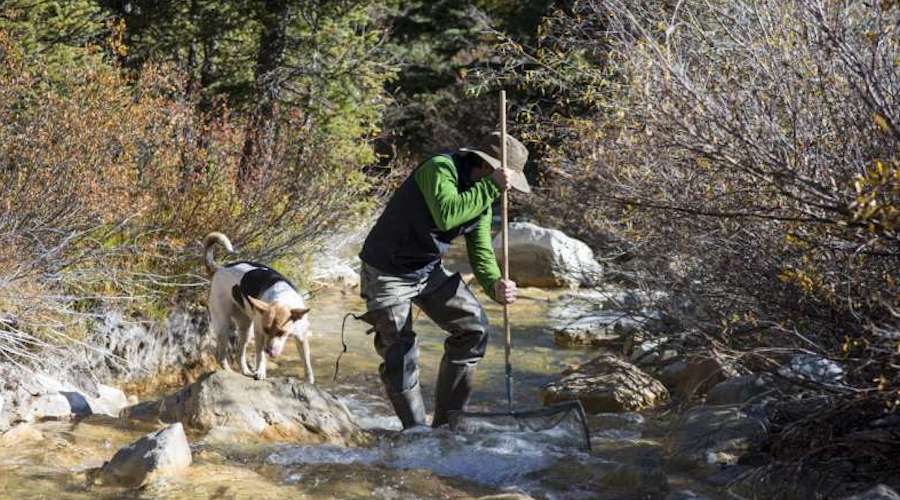
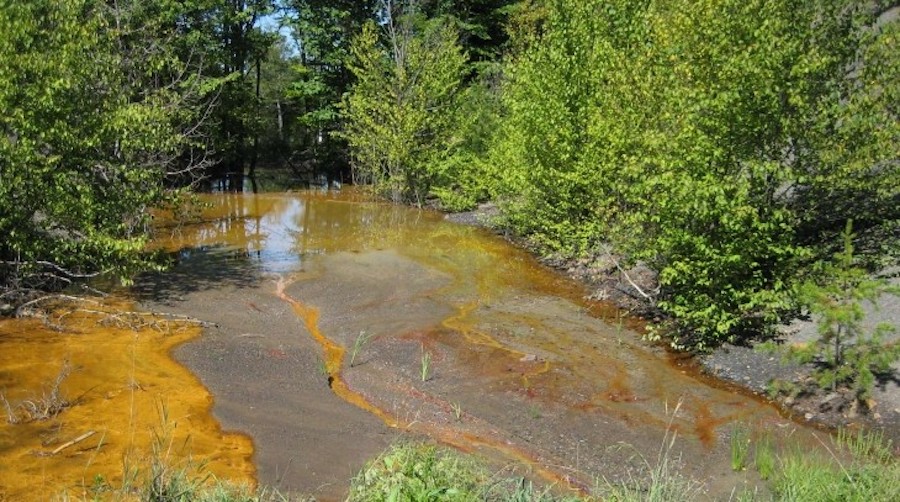
September 3, 2021 Rare earths make their way to Colorado’s waterways Researchers at the University of Colorado Boulder say there is growing concern about REE concentrations, which are not monitored and there are no water quality standards set for them.
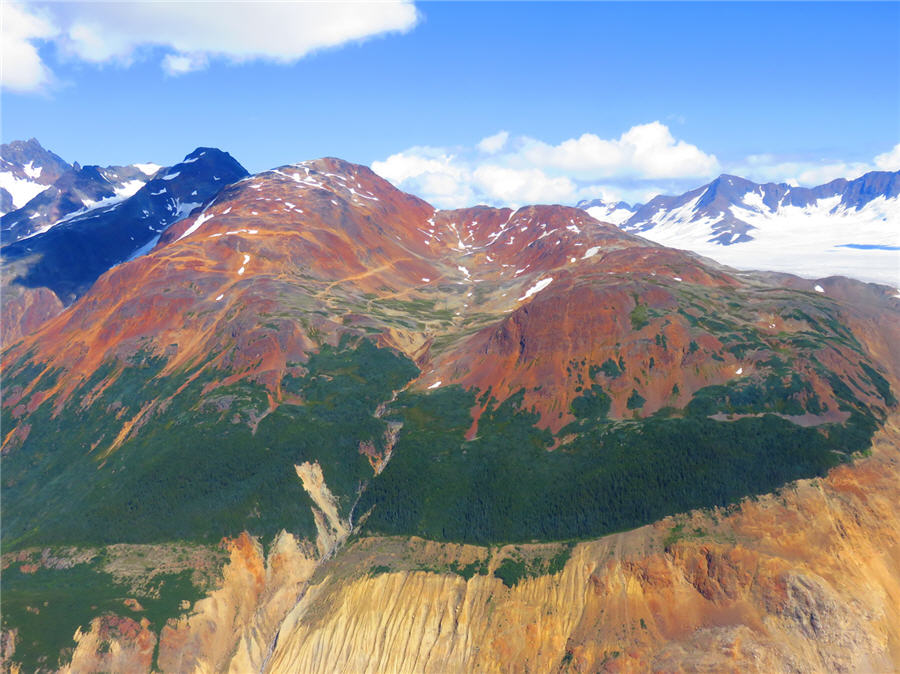
September 1, 2021 New minerals data compilation released for British Columbia’s Golden Triangle A collaboration between Geoscience BC and the mineral exploration sector created a new public data compilation to guide decisions about exploration for critical minerals in the province.
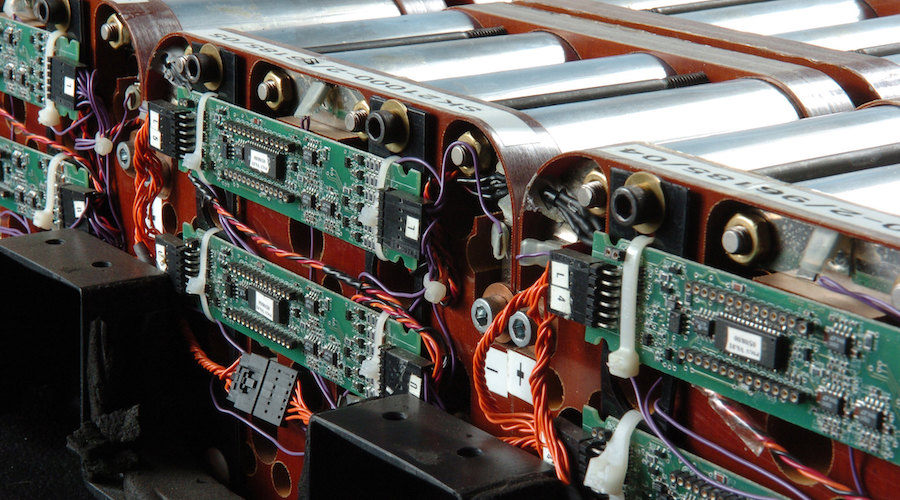
August 31, 2021 Scientists ‘stretch’ li-ion batteries storage capacity, lifespan Researchers at the University of Southern California propose introducing “stretch” into battery materials so they can be cycled repeatedly without structural fatigue.
August 30, 2021 The power of a uranium pellet Using research from the U.S. Department of Energy, this graphic puts in perspective the efficiency of a single uranium pellet in comparison to fossil fuels.
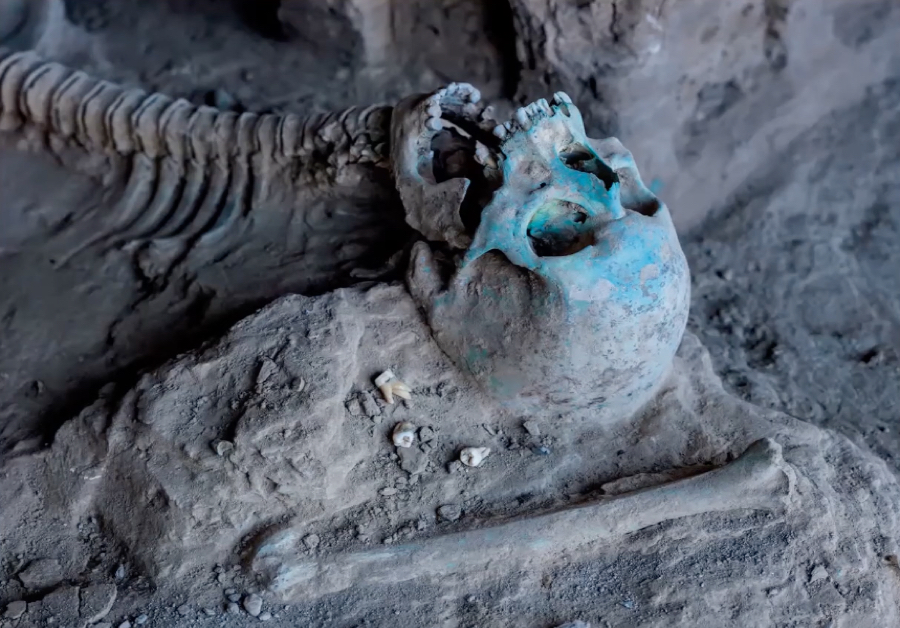
August 29, 2021 Ancient remains send warning message on current lead exposure in humans Those most directly affected are miners and employees in recycling facilities.
August 27, 2021 How Afghanistan’s $1 trillion mining wealth sold the war US media regurgitates a 2010 New York Times frontpage story on Afghanistan’s mineral riches based on a secret Pentagon memo and a 1977 Soviet geologic map.
August 27, 2021 New sensor able to detect rare earths in acid mine waste Researchers at Penn State University developed a luminescent sensor that can detect terbium in complex environmental samples.
August 26, 2021 In era of green mining, even a zero-carbon project won’t do Aurubis AG, one of the world’s largest copper smelters, terminated a provisional agreement to buy raw materials from Nussir after opposition from local indigenous groups.
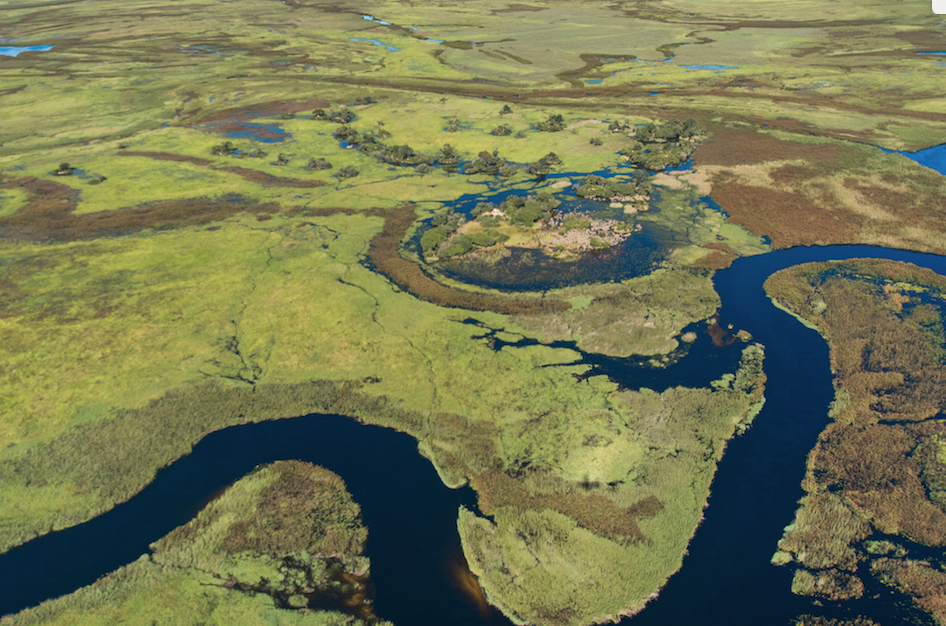
August 25, 2021 De Beers, National Geographic partner to protect Okavango Delta source waters Partnership to support Botswana’s eco-tourism and water and food security.
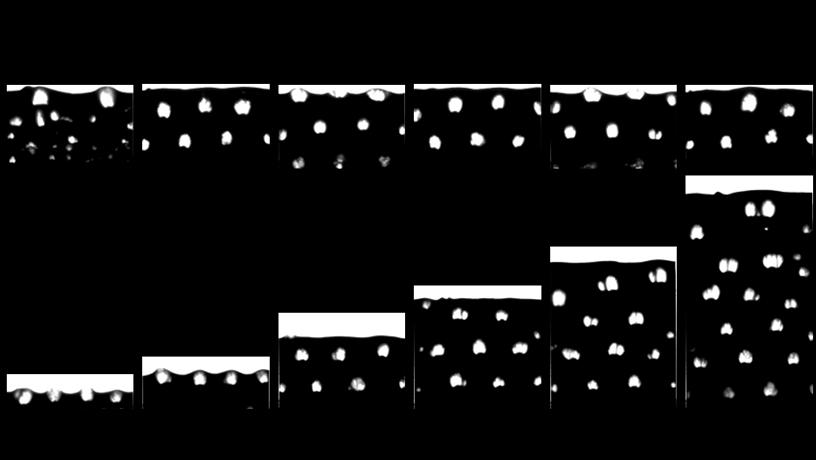
August 25, 2021 How bringing structure to chaotic bubbles could make mining more sustainable A new technique can structure bubbles by vibrating particles.
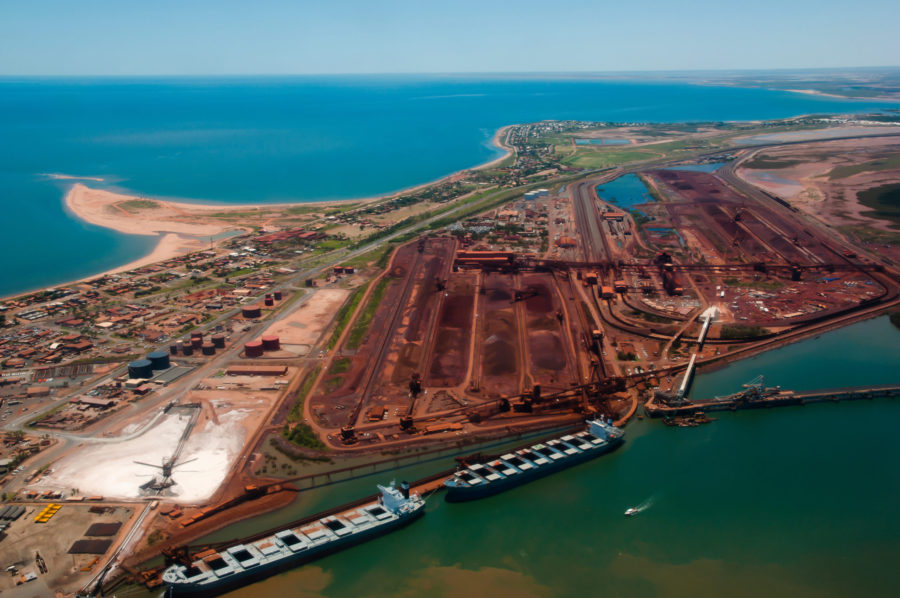
Ports for Australia’s Pilbara iron ore region closed due to cyclone Port Hedland, about 1,300 km (800 miles) north of Western Australia's state capital, Perth, is the world's biggest export point for iron ore. February 07, 2026 | 11:40 am